
Five Ways to Help Wildlife During Hot Weather
During hot weather, we can all work together to help Moreton Bay’s native wildlife. Small actions such as providing fresh water, shade and safe places to rest can make a meaningful difference.
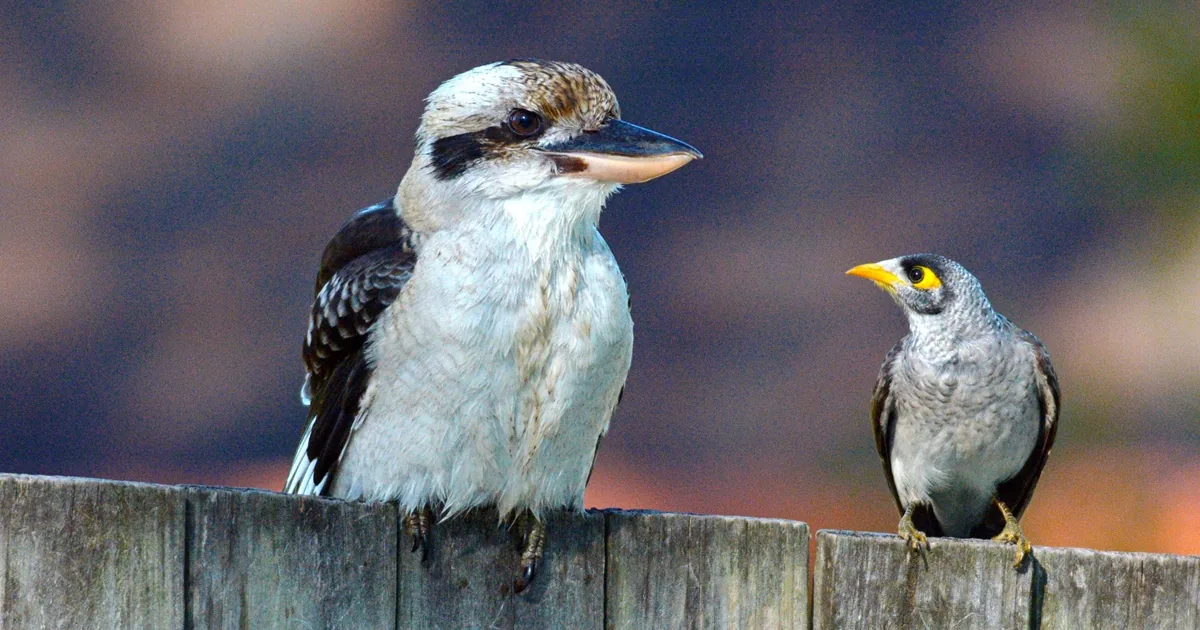
Long stretches of hot weather are tough on our local wildlife, especially when natural water sources begin to dry up. The good news is that there are some simple ways we can all help animals living in and around our Moreton Bay.
1. Provide Fresh, Accessible Water
Place shallow containers of clean water in quiet, shaded locations around your yard. Pop a stick, rock or branch so smaller animals can climb out if they fall in.
If you can, provide water at a couple of different heights for birds and animals on the ground. Remember to change it each day to keep it clean and discourage mosquitoes.
2. Create Cool, Shady Spaces
Trees, shrubs and other leafy native plants provide important shelter for wildlife from extreme heat. Even a small area of shade can give wildlife somewhere to rest during the hotter part of the day.
Before pruning or clearing vegetation, take a moment to check for nests or animals sheltering among the branches. If possible, leave major garden work until the weather is cooler.
3. Make Pools and other Water Vessels Safer
Wildlife may enter swimming pools, buckets or water troughs while searching for water and then struggle to get out.
Check pools regularly and provide a secure escape ramp, thick rope or partially submerged branch. Cover empty buckets and other deep containers when they are not being used and empty them after heavy rains.
4. Keep Pets Away From Vulnerable Wildlife
Heat-stressed animals may spend more time on the ground or venture closer to homes in search of water and shade.
Keep cats safely contained and supervise dogs outdoors, particularly around dawn, dusk and overnight. If you see an animal resting, give it space and keep children and pets away.
5. Know When to Call for Help
An animal may need assistance if it appears injured, is unable to move away, is lying exposed in direct sunlight or is behaving unusually.
Do not offer food or try to force water into its mouth. Avoid handling wildlife unless advised by a trained rescuer, as frightened animals may bite, scratch or become more distressed. Contact a wildlife rescue organisation or veterinarian for advice.
Small Actions Can Make a Real Difference
Providing water, shade and safe places to rest can help wildlife better cope during periods of extreme heat. By making a few small changes around our homes, we can all help protect the native animals that share the Moreton Bay region.